
If it destroys life, is it progress?
A thought on the meaning of progress

If human progress cannot protect life on Earth, it is not progress. It's destruction.
🜃
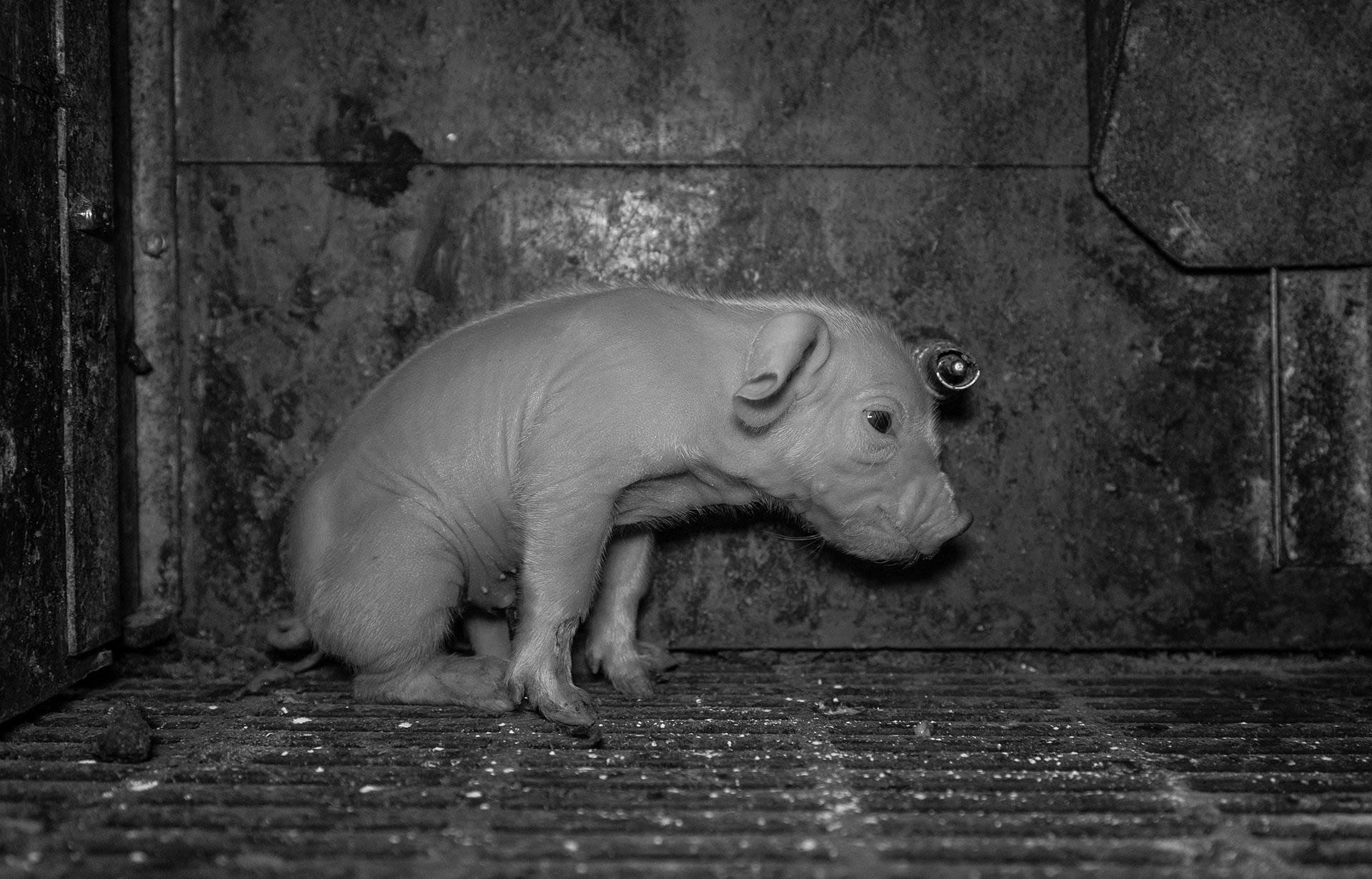
The Industrial Revolution and human progress have devastated the diversity of life on Earth. Most large mammals live in symbolic numbers as representatives of their species, unless they are productive for human society. Meanwhile, the mammals who have exploded in numbers because they serve as protein resources for us—such as cows and pigs—live miserable lives. Even though our species is incapable of living under water, marine life has suffered equally. Our economic activities extract life from the ocean, pollute Earth’s waters, and disrupt the aquatic habitats that sustain the lives of countless beings.
We paved over our forests, meadows, and wet lands. We turned our rivers into facilities for generating electricity, even though rivers have a much higher economic value when left wild. But if rivers were allowed to once again run free—providing fish to eat at no cost and naturally fertilizing our agricultural lands—how would food conglomerates and agrochemical companies continue to make profits? Productizing the most basic needs of life is a sure way to get rich. But by productizing our planet, we have destroyed it. We cut old growth forests for timber. We burned entire tropical forests together with all their constituents to grow palm oil plantations. Kilometer after kilometer of perfectly aligned palm trees, living on agrochemicals that destroy the soil, now cover entire landscapes that were once thriving ecosystems. Wildlife, after all, does not have a bank account. It cannot shop for food and water in supermarkets or buy their furs and bark online. But why should we feel sorry for lesser species or the planet itself? Were they not created to serve human progress?
During my lifetime on this planet, the global human population has nearly doubled. This boom in humans was hailed as a successful feature of progress: longer life spans, lower infant mortality, higher caloric intake, and better lives for everyone made possible by economic development. Yet gradually the fruits of human labour were funneled in the pockets of a cunning few. At the same time, new technologies started to render human intelligence, creativity, and contribution to progress optional. In today’s economy, a human is a commodity that can be replaced by machines.
Young people understand this instinctively. They are intelligent enough to piece together the tapestry of human reality in the twenty-first century. Their response is expressed in their refusal to participate in outdated educational systems, but even more poignant in the way they consume and are consumed. In today’s economy, the kind of human intelligence needed for progress can no longer be optimized by human beings. A human is an inefficient training model, requiring twenty years of caloric intake to become profitable. Even then, the output of a human model is strongly limited by its biology. Unlike our silicon cousins, we can never become superhuman. In today’s economy, the most high yielding human consumes and allows themselves to be consumed for technological progress. What counts is what increases that consumption power. This is the world we built for the younger generations. They look back with nostalgia at how their parents and grandparents once lived. But they are under no illusion about what they need to do to survive today. They understand what human life is worth to progress.
As we slowly join the rest of life on Earth as natural resources, perhaps we will finally pause, look around, and ask ourselves: if it destroys life, is it even progress?
🜃
Cognitive Ecology is a philosophical notebook being written in public and collected in print at the end of 2026. You’re reading it as it takes shape. Start from the beginning here.
Thank you for reading,
—Claudia Befu